
YOUR PRIVATE COASTAL HIDEAWAY
The Ancient Sites of Penwith: A Journey Through Time
West Penwith is a landscape that serves as a living museum, holding the highest density of ancient monuments and archaeological sites in Europe. This rugged peninsula, jutting into the Atlantic at the furthest tip of Cornwall, has been a sacred and domestic hub for over four thousand years, leaving behind a wealth of Neolithic, Bronze Age, and Iron Age remains. From the haunting silhouettes of standing stones on the wind-swept moors to the sophisticated courtyard houses of early settlers, the area offers a profound connection to the origins of British civilisation and the enduring spirit of the Cornish people.
Choosing to explore these ancient wonders from the Vellandreath Valley provides a unique context for your journey into the past. As a private, car-free sanctuary, the valley mirrors the tranquility and isolation that allowed these sites to remain so remarkably well-preserved over the millennia. Staying here allows you to disconnect from the frantic pace of modern life and recalibrate your senses to the slower, more rhythmic pace of the ancient world. It is the definitive base for the historian, the archaeologist, or the curious traveller who wishes to walk the same granite paths as the ancestors who first shaped this land.
This guide explores the most significant archaeological treasures of the Land’s End Peninsula, providing the historical context and local knowledge required to fully appreciate their majesty. We delve into the legends surrounding the holed stones, the engineering marvels of the megalithic quoits, and the daily lives of the Iron Age communities who thrived in the shadow of the cliffs. By visiting these silent witnesses to history, you gain a deeper understanding of that which defines Penwith, a landscape where the past is not just remembered, but is physically etched into the very earth and stone beneath your feet.
Uncover the Megalithic Mysteries of the Moors
The Ritual Power of Mên-an-Tol
Mên-an-Tol is perhaps the most iconic of Penwith’s ancient sites, consisting of a unique circular holed stone flanked by two upright granite pillars. Dating back to the Bronze Age, this site is steeped in local folklore, with traditions suggesting that passing through the hole can cure ailments or bring fertility to the visitor. Whether viewed as a site of ancient ritual, a seasonal calendar, or a symbolic gateway, Mên-an-Tol remains a deeply atmospheric location that captures the mystery of Cornwall’s prehistoric inhabitants and their sophisticated understanding of the landscape.
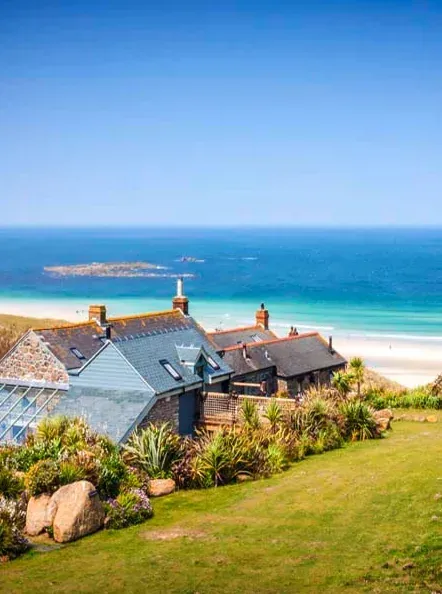
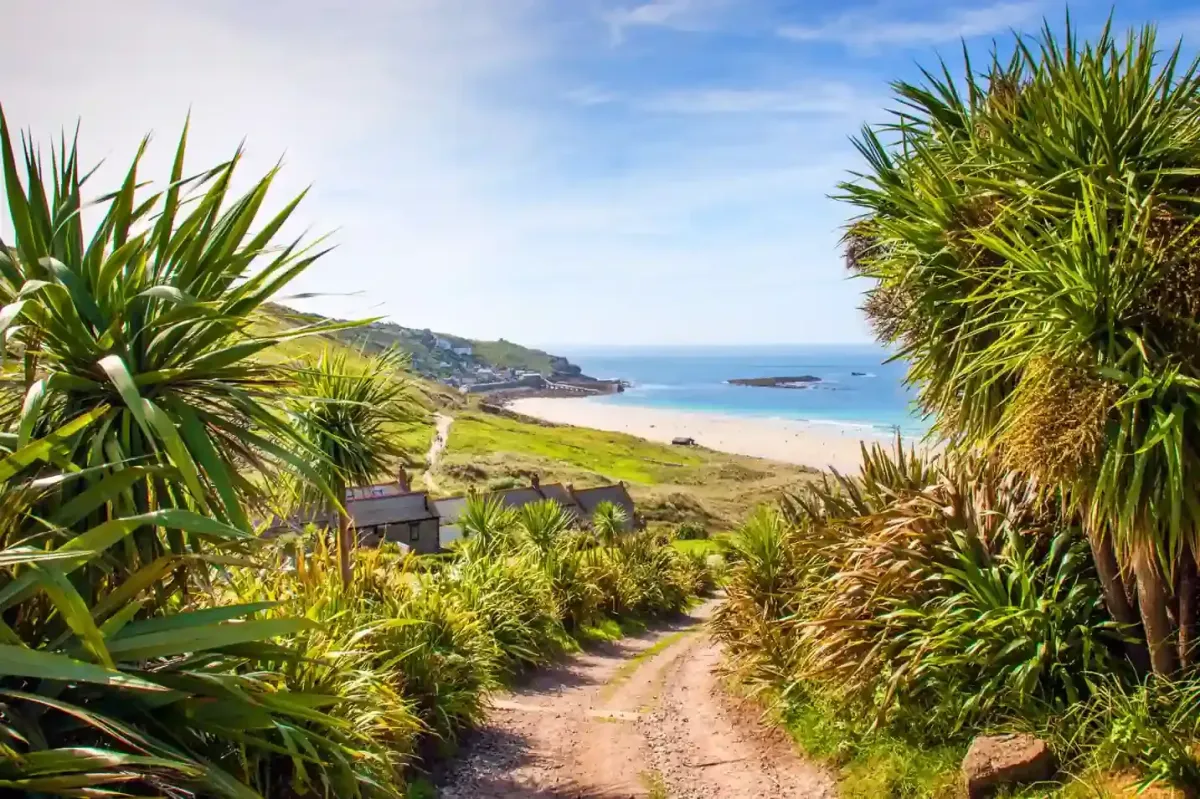
The Engineering Feat of Lanyon Quoit
Standing proudly on the moors near Madron, Lanyon Quoit is one of Cornwall’s most recognisable Neolithic dolmens, featuring a massive granite capstone supported by three sturdy uprights. Originally a burial chamber covered by a mound of earth, the quoit now stands exposed, revealing the sheer scale of the engineering required to move and lift such immense stones four thousand years ago. It serves as a powerful monument to the importance of ancestral worship and the permanence of the stone structures that continue to dominate the high ground of the West Penwith peninsula.
The moors of Penwith provide a stark and beautiful backdrop for these monuments, where the changing light of the Atlantic sky creates a constantly shifting perspective on the ancient stones. Exploring these sites requires a willingness to leave the paved roads behind and follow the ancient trackways that have connected these sacred spaces for centuries. This journey through the heather and gorse is as much a part of the experience as the monuments themselves, offering a sense of solitude and discovery that is increasingly rare in the modern world.
For guests at Vellandreath, an afternoon spent among the megaliths provides a profound mental reset and a chance to reflect on the long-term history of the region. The proximity of these sites to the valley means you can easily combine a morning on the beach with an afternoon of archaeological exploration, experiencing the full breadth of the peninsula’s natural and historical diversity. Many of these sites remain open and accessible, allowing for a personal and unhurried encounter with the Neolithic past that feels entirely authentic and uncommercialised.
Understanding the significance of these stones requires an appreciation of their alignment with the celestial bodies and the surrounding landscape features. Local archaeologists believe that many of these monuments were part of a vast, interconnected network of ritual spaces that mapped the movements of the sun and moon across the Cornish horizon. By standing among the stones at Lanyon Quoit or Mên-an-Tol, you are participating in a tradition of observation and wonder that has remained unchanged for over forty centuries, linking the modern visitor to the very first Cornish explorers.
Step into the Daily Life of Iron Age Penwith
Whether you are looking to book your summer holiday early or escape for a spontaneous winter break, the valley offers a different kind of magic in every season.

The Courtyard Houses of Chysauster Village
Chysauster Ancient Village provides an extraordinary glimpse into the domestic lives of the people who inhabited the peninsula two thousand years ago. This remarkably well-preserved Iron Age settlement features a street of "courtyard houses," a style of architecture unique to West Cornwall and the Isles of Scilly. Visitors can walk through the stone-walled rooms, view the ancient hearths, and imagine the vibrant community life that once thrived here, supported by a sophisticated system of terrace farming and communal resource management that sustained the village for centuries.

The Strategic Grandeur of Chun Castle
Perched on a commanding hill overlooking the Atlantic and the English Channel, Chun Castle is a formidable Iron Age hillfort that showcases the defensive capabilities of early Cornish communities. Its massive dry-stone walls, once standing several metres high, protected a complex of interior dwellings and served as a visible symbol of power and security in a rugged landscape. The site’s elevated position offers panoramic views across the moors to the sea, emphasizing the strategic importance of the Penwith heights during a period of significant social and political change.
The transition from the ritual monuments of the moors to the domestic settlements like Chysauster marks a fascinating shift in the archaeological story of the region. It highlights the ingenuity of the Iron Age people in adapting to the granite-rich environment, using the local stone to build enduring homes and defensive structures that have stood the test of time. Exploring these ruins allows for a more intimate connection to the past, where the remnants of daily tasks, from grinding corn to tending livestock, feel tangible and remarkably close to our own experience.
Basics of life such as shelter, community, and security are written into the stone footprints of these ancient villages. At Chysauster, the presence of a "fogou”,a mysterious underground passage unique to West Cornwall, adds a further layer of intrigue to the site, with theories regarding its use ranging from cold storage to ritual ceremonies. These details provide a rich narrative for families and history enthusiasts, turning a simple walk through the ruins into a journey of historical detective work that sparks the imagination and deepens the appreciation for the Cornish heritage.
For those staying in the car-free valley of Vellandreath, the connection to these ancient communities is particularly resonant. The sense of living in harmony with the landscape, using natural materials for shelter and relying on the surrounding environment for sustenance, is a theme that links the modern holidaymaker to the Iron Age villager. By visiting Chysauster and Chun Castle, you are not just looking at old stones; you are exploring the foundational blueprints of the Cornish identity and the enduring resilience of the people who have always called this westerly peninsula home.
Discover the Sacred Circles and Holy Wells
The Legendary Stones of the Merry Maidens
The Merry Maidens, located near St Buryan, is a perfectly circular Bronze Age stone circle consisting of nineteen granite uprights. Local legend tells that the stones were once young women turned to stone for dancing on the Sabbath, a story that adds a layer of whimsical Cornish folklore to this mathematically precise monument. The site is part of a larger ritual landscape that includes the Pipers, two of the tallest standing stones in Cornwall, suggesting that this area was a significant focal point for communal gatherings and ceremonies for millennia.
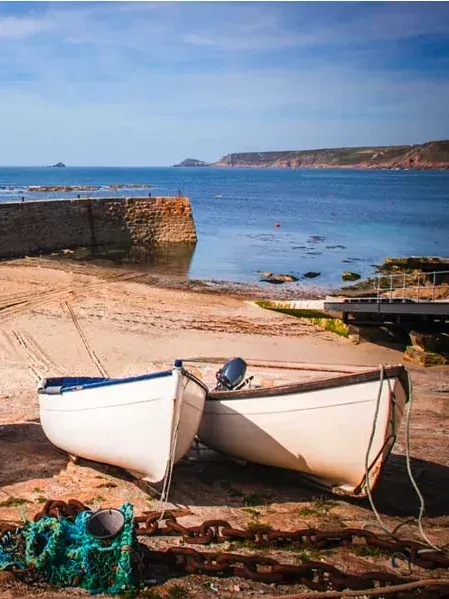
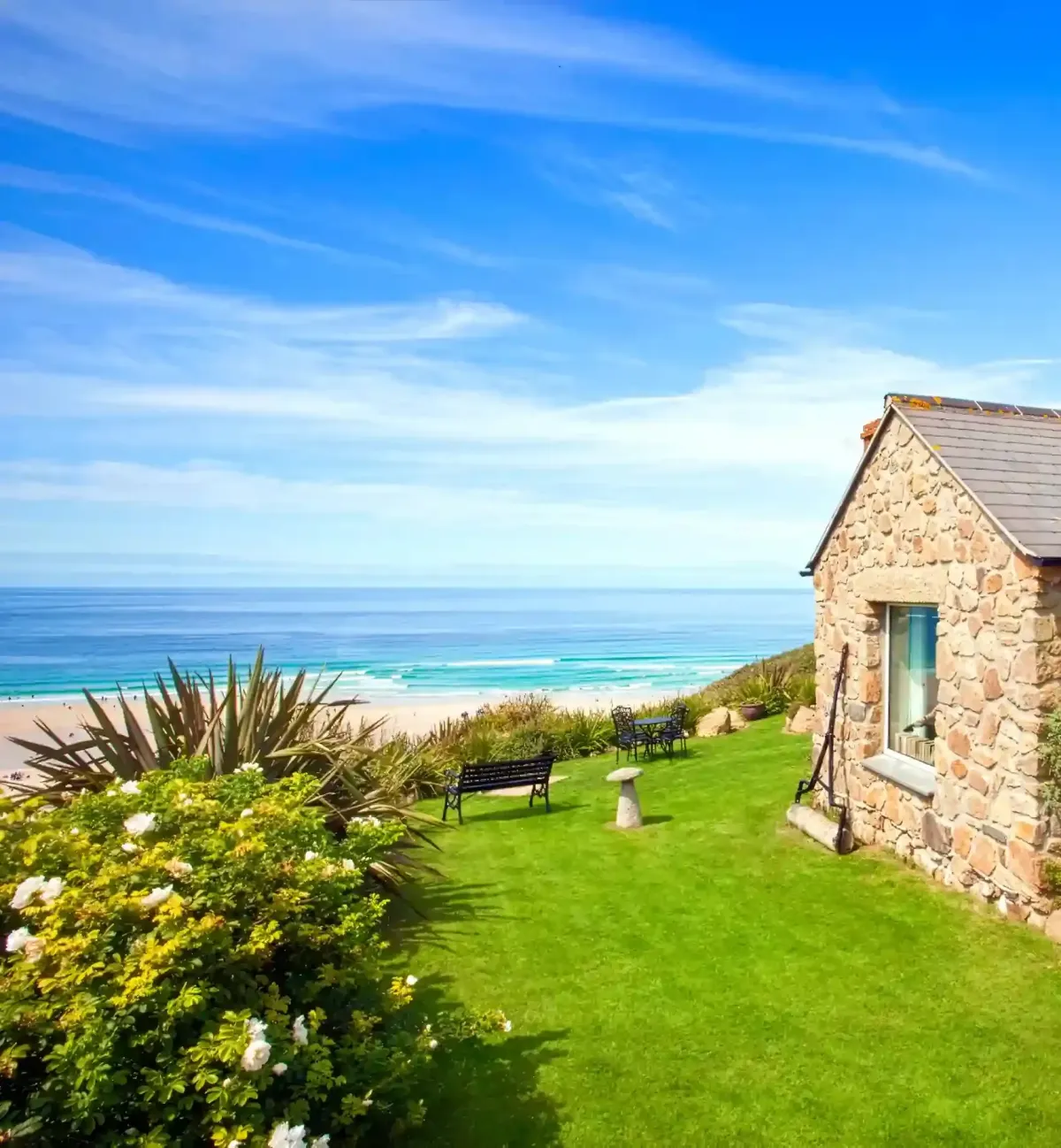
The Healing Waters of Sancreed Holy Well
Tucked away in a quiet grove near the village of Sancreed, the Holy Well and its associated ancient baptistery offer a peaceful sanctuary of a different kind. These sites, often located at the intersection of pagan and early Christian traditions, have been places of pilgrimage and healing for centuries, with the clear spring water still drawing visitors today. The moss-covered stones and the fluttering "clouties" (prayer rags) tied to nearby trees create a sense of living tradition that links the ancient past to the spiritual present of West Penwith.
The presence of these sacred circles and wells throughout the peninsula reinforces the idea that Penwith was a landscape of deep spiritual significance. From the precise solar alignments of the Merry Maidens to the quiet, introspective atmosphere of the holy wells, the area offers a diverse range of spaces for reflection and connection. These sites are often found in sheltered, atmospheric locations that provide a calm contrast to the dramatic energy of the coastal cliffs, offering a more intimate perspective on the historical character of the Land’s End Peninsula.
For the modern visitor, these sites offer a space for "slow tourism," where the goal is not to tick off a list of attractions but to truly inhabit the space. Many of the stone circles are located in open fields where you can sit and enjoy the silence, broken only by the call of the skylark or the distant sound of the sea. This ability to engage with history on a personal level is a key benefit of the Penwith experience, allowing for a quiet communion with the landscape that is both restorative and intellectually stimulating for all ages.
Vellandreath’s position as a hub for these discoveries allows you to weave the sacred and the secular into your holiday itinerary. A morning surfing in Sennen can be balanced with an afternoon of quiet reflection at a holy well, providing a holistic experience that caters to both the body and the mind. These ancient sites are the quiet anchors of the peninsula, reminding us of the enduring human need for ritual, community, and a connection to the natural world, themes that remain as relevant today as they were four thousand years ago.
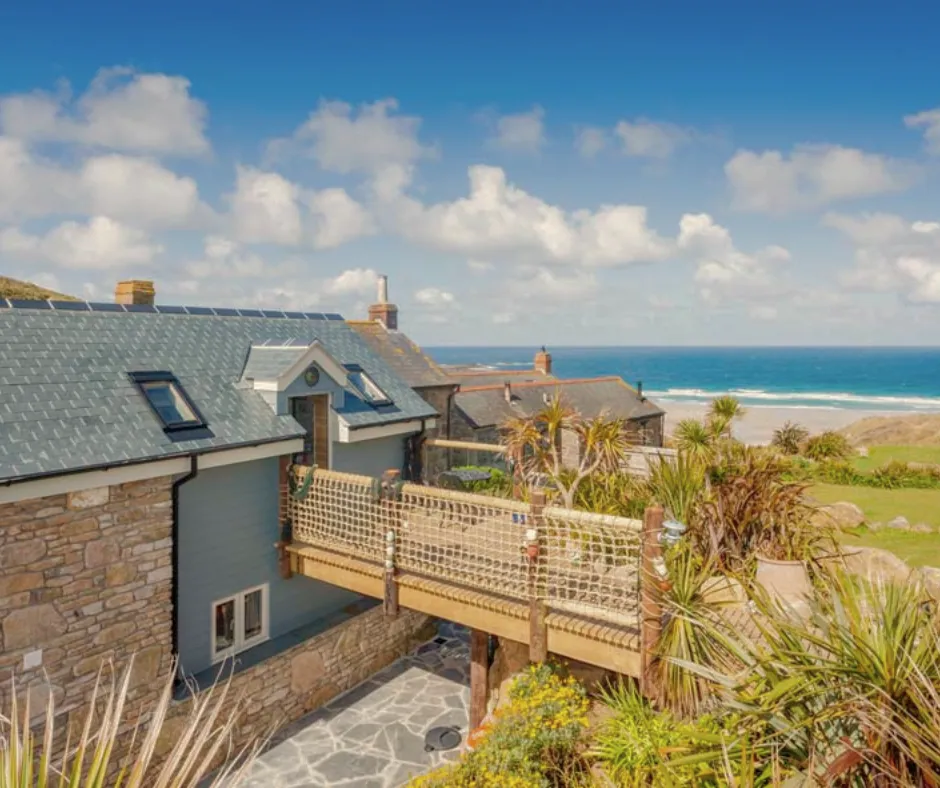
Intimate Boltholes (Sleeps 2)
Perfect for: Couples, Solo Writers, Deep Rest. Small, perfectly formed, and fiercely private. These cottages are designed for intimacy. Think mornings spent reading in bed, afternoons gazing at the horizon, and a total absence of external noise.
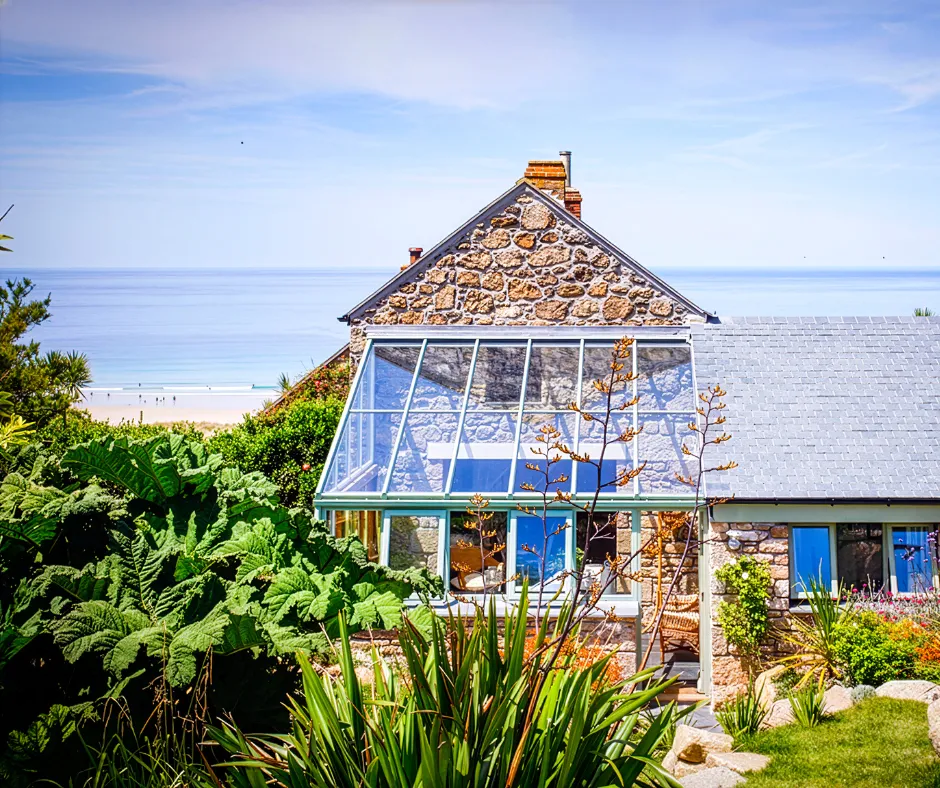
The Family Reset (Sleeps 4, 5, 6)
Perfect for: Young Families, Small Groups, Reclaiming Childhood. Space to let the kids run wild. Swap the iPads for rock pooling nets and the video games for board games by the fire. These homes offer spacious living areas and secure gardens where the family unit can reconnect.
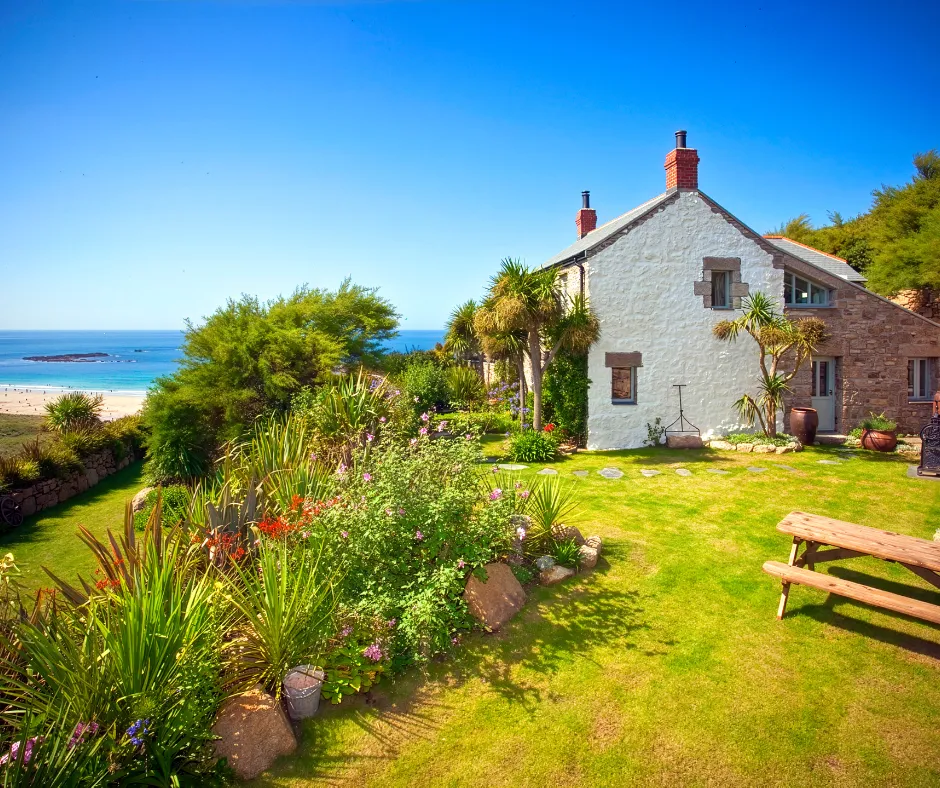
The Gatherings (Sleeps 8, 10)
Perfect for: Extended Families, Friends, Milestone Celebrations. Generous coastal homes designed for shared experiences. Get the whole clan together under one roof, focus at the communal table. Slow dinners, storytelling into the night, and laughter that only happens when the phones are put away.
Practical Tips for Your Archaeological Adventure
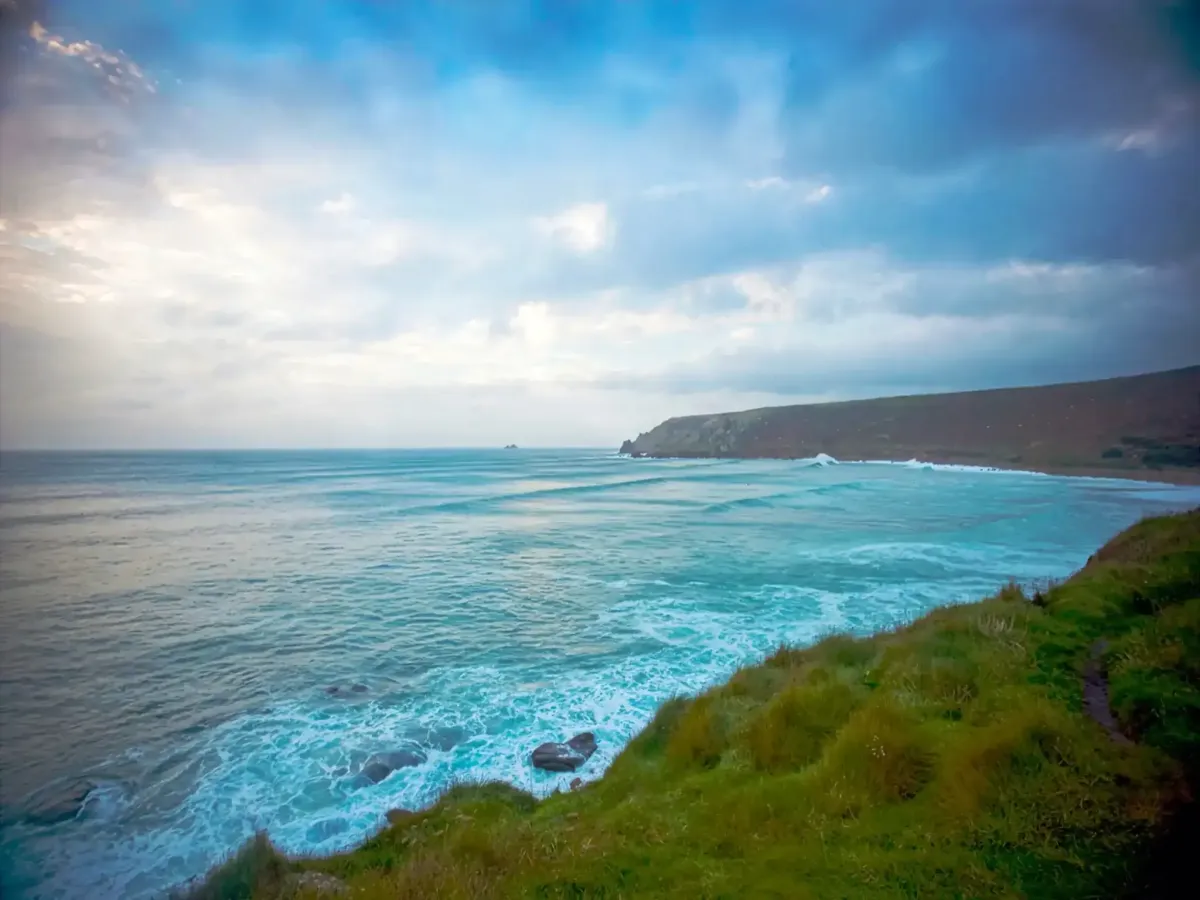
Navigating the Ancient Paths of Penwith
Finding the more elusive ancient sites requires a bit of preparation and a good Ordnance Survey map (Land’s End, Explorer 102). While some sites like Chysauster are managed by English Heritage and are well-signposted, many others are located on open access land and require a short hike across the moors to discover. We recommend wearing sturdy footwear and being prepared for the changeable Atlantic weather, as the high ground of the moors can be more exposed and cooler than the sheltered valley of Vellandreath or the beaches of Sennen.
Respecting the Stones and the Countryside Code
When visiting these ancient monuments, it is vital to remember that they are precious, non-renewable heritage assets that require our respect and protection. Please follow the Countryside Code: leave no trace of your visit, keep dogs on leads near any livestock, and avoid climbing on or moving the stones. By treating these sites with the reverence they deserve, you help to ensure that they remain preserved for future generations to explore and that the delicate ecosystems of the moors are not disrupted by your archaeological adventure.
One of the most rewarding ways to experience the ancient sites is to visit them during the equinoxes or solstices, when many of the monuments align perfectly with the rising or setting sun. These events provide a visceral connection to the astronomical knowledge of the Neolithic people and offer a spectacular visual experience. For guests in the valley, we can often provide local insights into the best times to visit specific sites to avoid the crowds or to capture the most evocative light for photography and quiet reflection.
Photography at these sites is a favourite activity for many visitors, as the textures of the lichen-covered granite and the dramatic moorland backdrops provide endless inspiration. We encourage you to take your time and look for the small details, the tool marks on a stone, the way the light hits a burial chamber, or the wildflowers growing in the cracks of an Iron Age wall. These small observations often lead to a deeper appreciation of the craftsmanship and the intent behind these ancient structures, turning a simple photo into a meaningful record of your journey.
Finally, remember that the ancient history of Penwith is not a finished story; it is a living narrative that continues to evolve through new archaeological discoveries and the ongoing research of local historians. By engaging with these sites, you become part of that story, contributing to the continued relevance and preservation of one of the world’s most significant cultural landscapes. Whether you find yourself awed by the scale of Lanyon Quoit or moved by the silence of a holy well, the ancient sites of Penwith will leave an indelible mark on your memory and your heart.
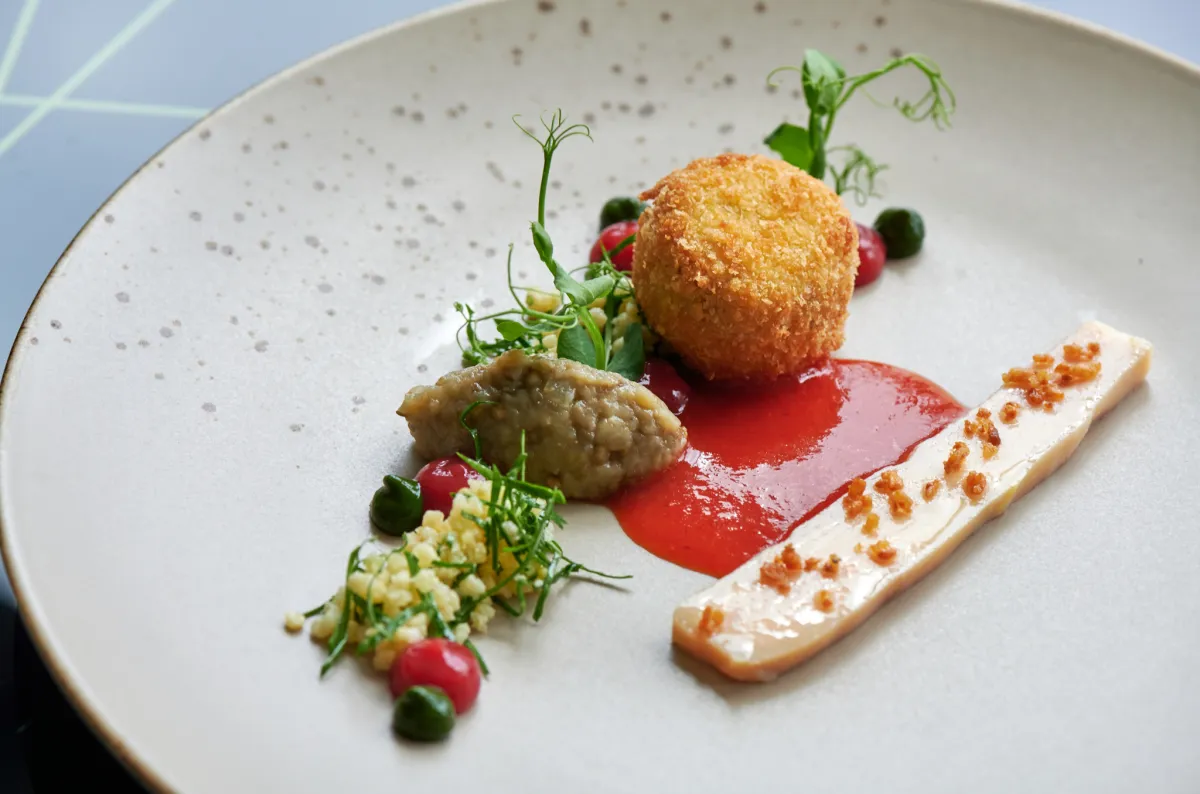
Dining
Local eateries in Sennen Cove and the surrounding area provide relaxed options where dogs are often welcome outside, making meals part of the coastal experience.
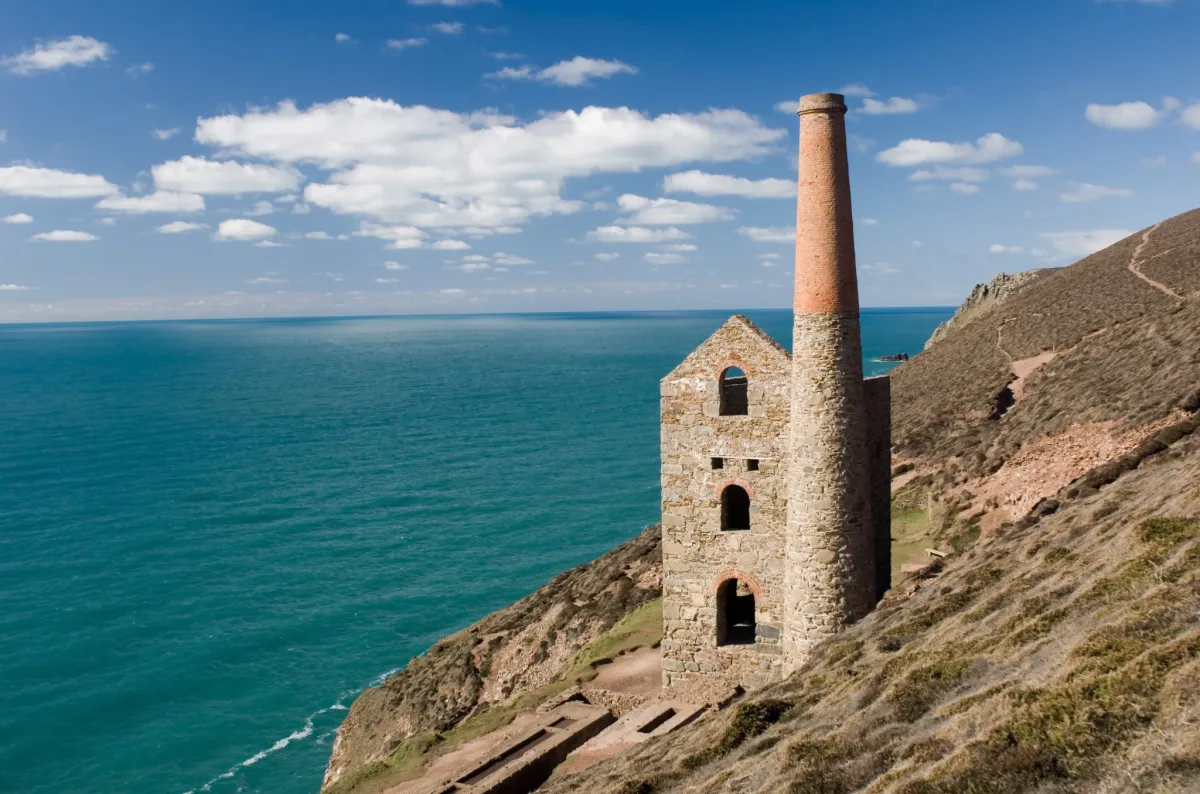
Art & History
West Cornwall’s landscape reflects centuries of maritime life, mining heritage and creative traditions. The area around Sennen and Zennor offers galleries, studios and historic sites to explore between walks.
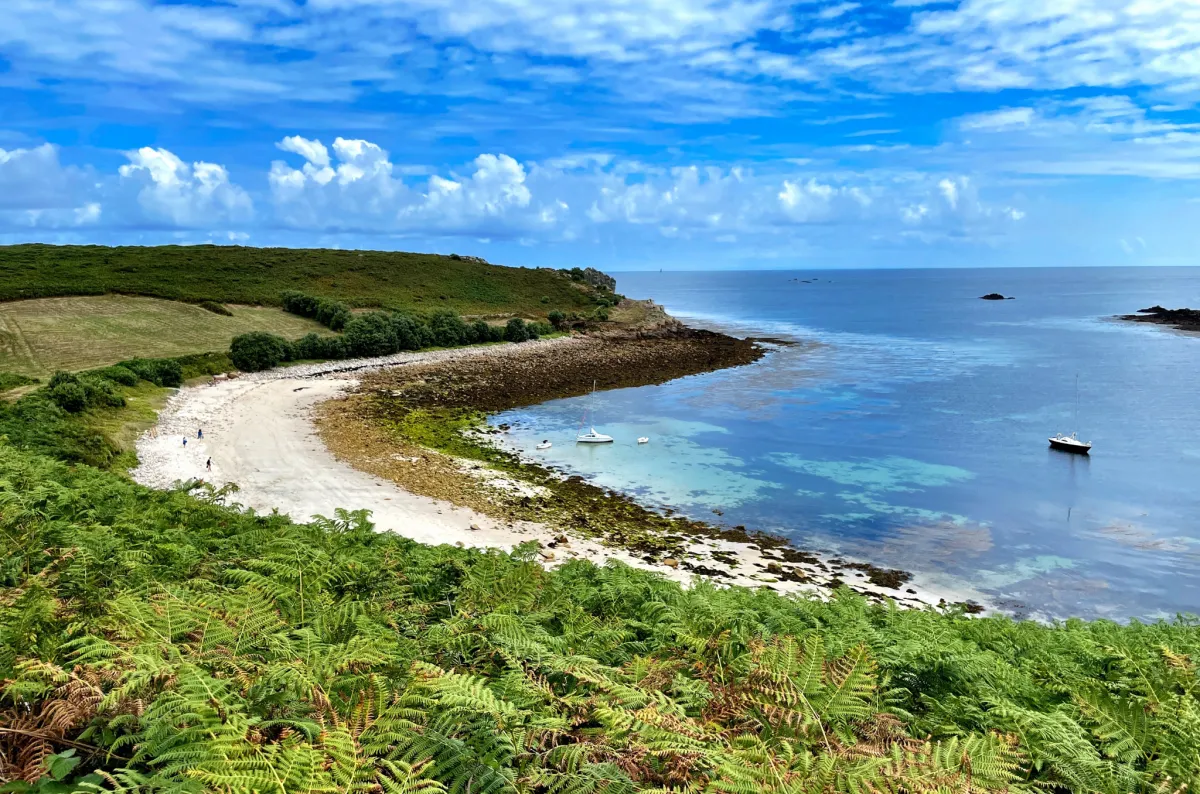
Walking
Step directly from the valley onto the South West Coast Path. Walk north toward Zennor, or south toward Land’s End, with options for shorter loops and extended routes that suit every ability.
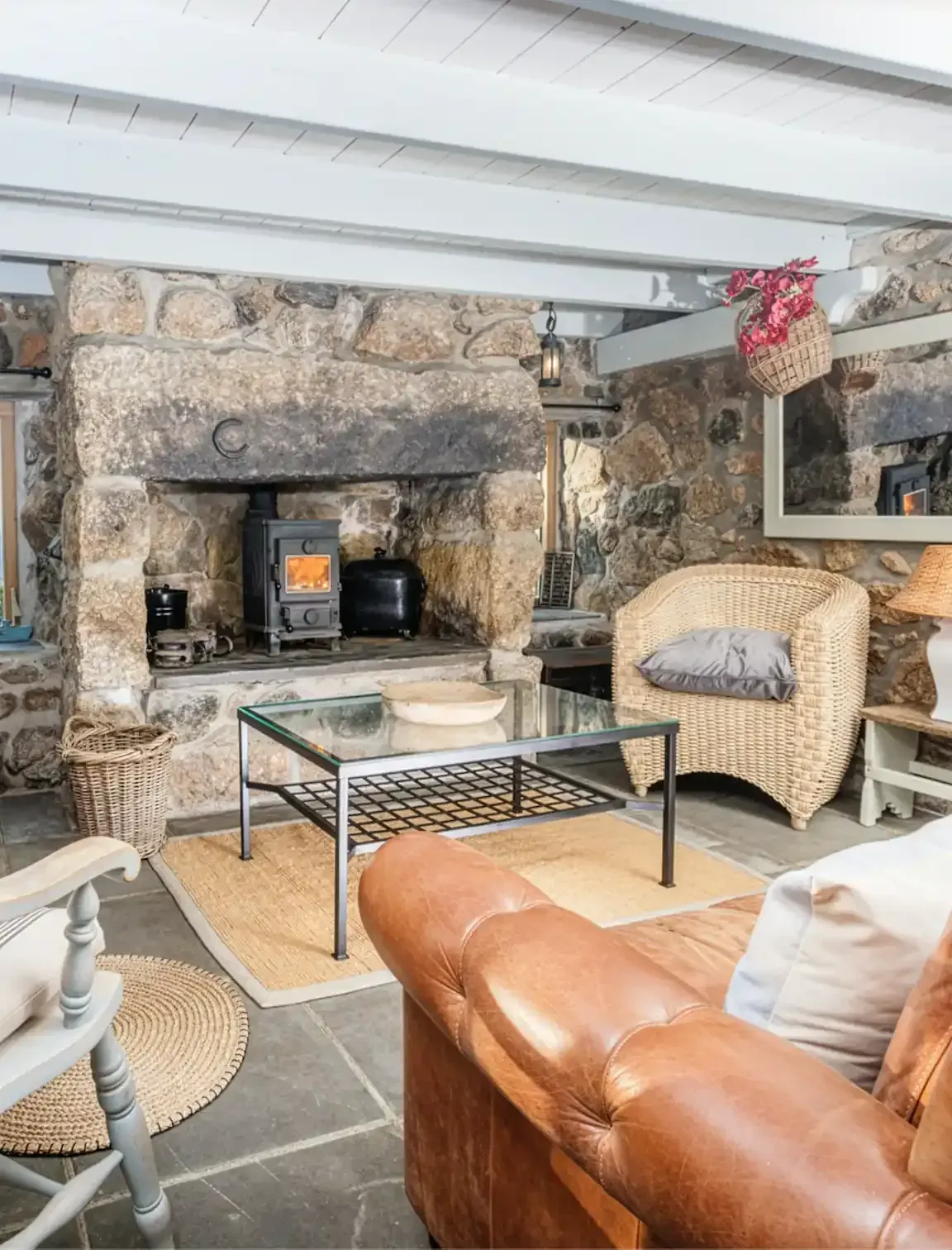
Booking Your Stay
Dog friendly cottages in Cornwall, especially those well-placed for beaches and coastal paths, are in high demand, particularly for summer and seasonal breaks.
Whether you are planning a multi-day walking holiday, beach days with your dog or a quieter off-season stay, Vellandreath offers a well-located and peaceful place to stay.
Secure your dates and enjoy exploring Cornwall with your dog by your side.
FAQS
Where is the best place to start an archaeological tour of Penwith?
Lanyon Quoit and Mên-an-Tol are excellent starting points as they are located relatively close to one another on the moors north of Madron. They provide a high-impact introduction to the Neolithic and Bronze Age monuments of the region before you move on to more complex sites like Chysauster Ancient Village.
Do I need to pay an entrance fee to see the ancient sites?
While many of the sites on the open moors (like the stone circles and quoits) are free to visit and located on public access land, some managed sites like Chysauster Ancient Village require an entry fee (or English Heritage membership). These fees support the vital conservation and maintenance work at these significant locations.
Are the ancient sites suitable for children?
Absolutely. Sites like Chysauster and the Merry Maidens are fantastic for children, providing plenty of space to explore and a tactile way to engage with history. The legends of giants and petrified dancers add a sense of adventure and magic that can make the past feel much more accessible and exciting for younger explorers.
What is the best time of day to visit the stone circles?
Early morning or late afternoon (the "golden hour") is widely considered the best time for visiting the stone circles. The low light accentuates the granite textures and creates a more atmospheric environment for photography, while also being the time when these sites are typically at their quietest and most peaceful.
Can I take my dog to the ancient sites in West Penwith?
Yes, most of the ancient sites are located in areas where dogs are welcome. However, because many of these sites are on working farmland or sensitive archaeological ground, it is essential to keep your dog on a lead to protect livestock, ground-nesting birds, and the ancient stones themselves.
How do I find the hidden "Holy Wells"?
Many holy wells are tucked away in quiet, wooded valleys or on the edges of villages like Sancreed or Madron. Using a detailed OS map and looking for the "Well" symbol is the most reliable method, though asking for local directions in the village pub can often lead you to the most atmospheric and less-visited sites.
What does this mean for you and your family?
For you and your family, exploring the ancient sites of West Penwith means embarking on a journey that spans four thousand years of human endeavour. It is an opportunity to move beyond the superficial aspects of a holiday and connect with something profound and enduring. For children, it is a chance to see history as a physical reality rather than a series of facts in a book, fostering a sense of curiosity and respect for the world around them. For adults, it provides a rare space for reflection and a perspective on the longevity of the human spirit in a world that often feels temporary and fast-paced.
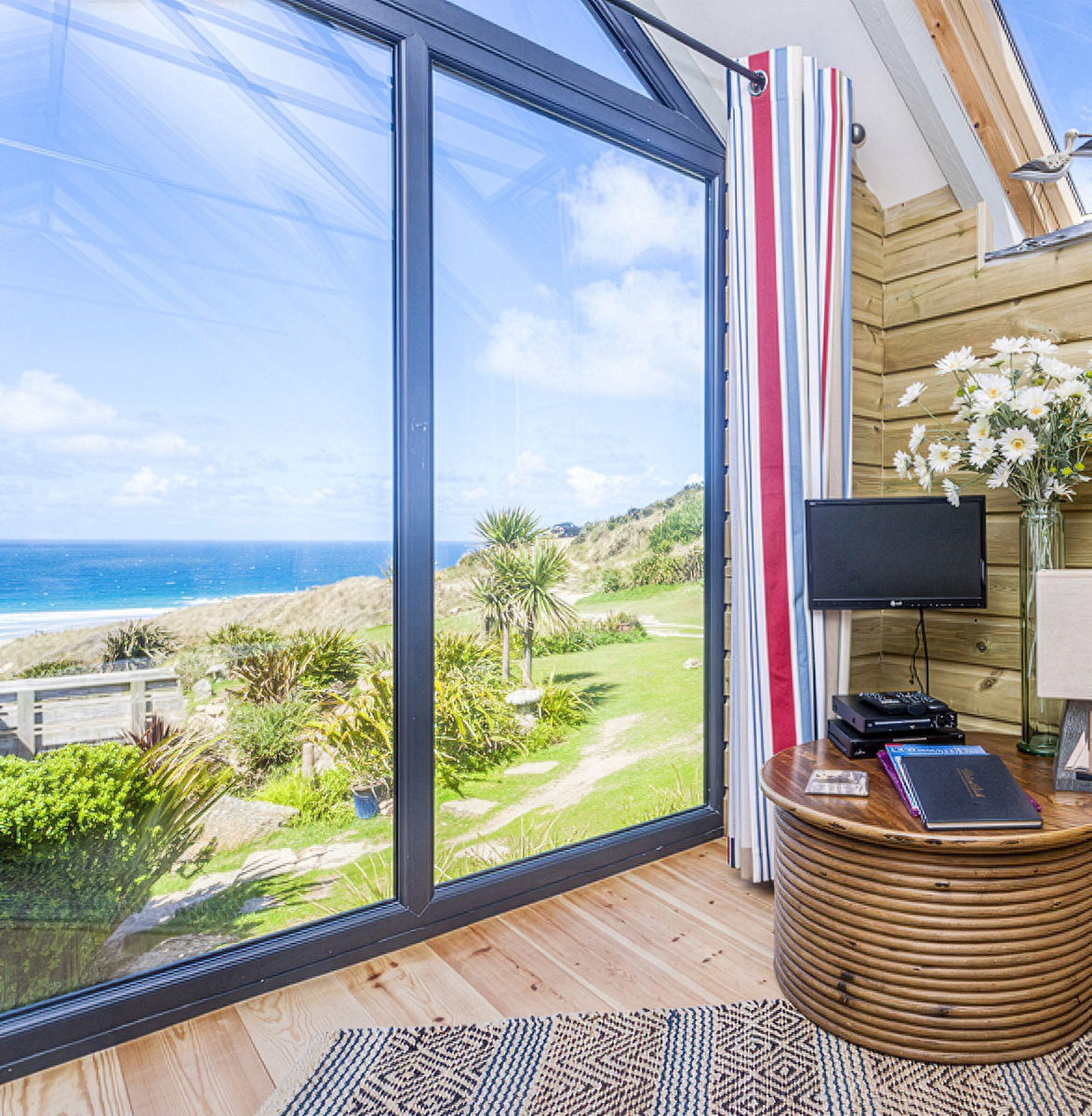
Staying at Vellandreath Cornish Cottages enhances this experience by providing a peaceful and grounded environment that mirrors the ancient tranquility of the monuments you will discover. It allows you to return from a day of archaeological exploration to a warm, welcoming home in a private valley, where you can discuss your findings by the fire or look out at the same stars that guided the Neolithic builders. Ultimately, a journey through the ancient sites of Penwith is a gift of time and connection, ensuring that your Cornish holiday is filled with meaning, wonder, and a deep appreciation for the timeless beauty of the Land’s End Peninsula.
Our Visitors Say

A Little Last-Minute Luxury
We hate to see a beautiful space go to waste. We have released a handful of last-minute dates for those of you feeling a bit spontaneous.
Truly wonderful value, if you can pack a bag quickly!
Connect with us
For daily glimpses of the changing tides and quiet moments in the valley, join us online.


© Copyright 2026. All rights reserved.
Romantic Stay For Couples | Digital Detox | Family Holiday | Cornish Holiday Cottages in Sennen Cove | Vellandreath | The Salt Path in Cornwall | Stay Near Sennen & Land's End | Places to Stay in Sennen Cove | Sennen Cove Accommodation | Stay in a Quiet Coastal Valley | Gwynver Beach Accommodation | Stay Near Sennen Cove | Land's End Cornwall Accommodation | Stay Near the Coast | Surfing Sennen | Stay Near Sennen Cove Surf Beach | Sennen Cove Tide Times | Coastal Planning & Stay | Zennor Cornwall | Stay Near the Coast Path & Village | Cornwall Dog Friendly Cottages | Stay Near Sennen Cove | The Ultimate Guide to West Penwith | Best Things to do in Sennen Cove: Surfing, Sunsets & Shipwrecks | Dog-Friendly Penwith: The Best Beaches & Coastal Walks | Hidden Gems of West Cornwall: Ancient Sites & Secret Coves | A Foodie's Guide to Penwith: From Sennen Pubs to Penzance Fine Dining | The Productivity & Focus Retreat | The Creativity & Work-Life Balance Escape | The Ancient Sites of Penwith: A Journey Through Time